RE: Submission on Draft Otago Regional Public Transport Plan 2025-2035
The Lightfoot Initiative Charitable Trust (Lightfoot) appreciates the opportunity to provide feedback on the Draft Otago Regional Public Transport Plan 2025-2035. As residents of the Queenstown Lakes District and advocates for sustainable transportation, we strongly support initiatives that promote improved public and active transport options throughout our region.
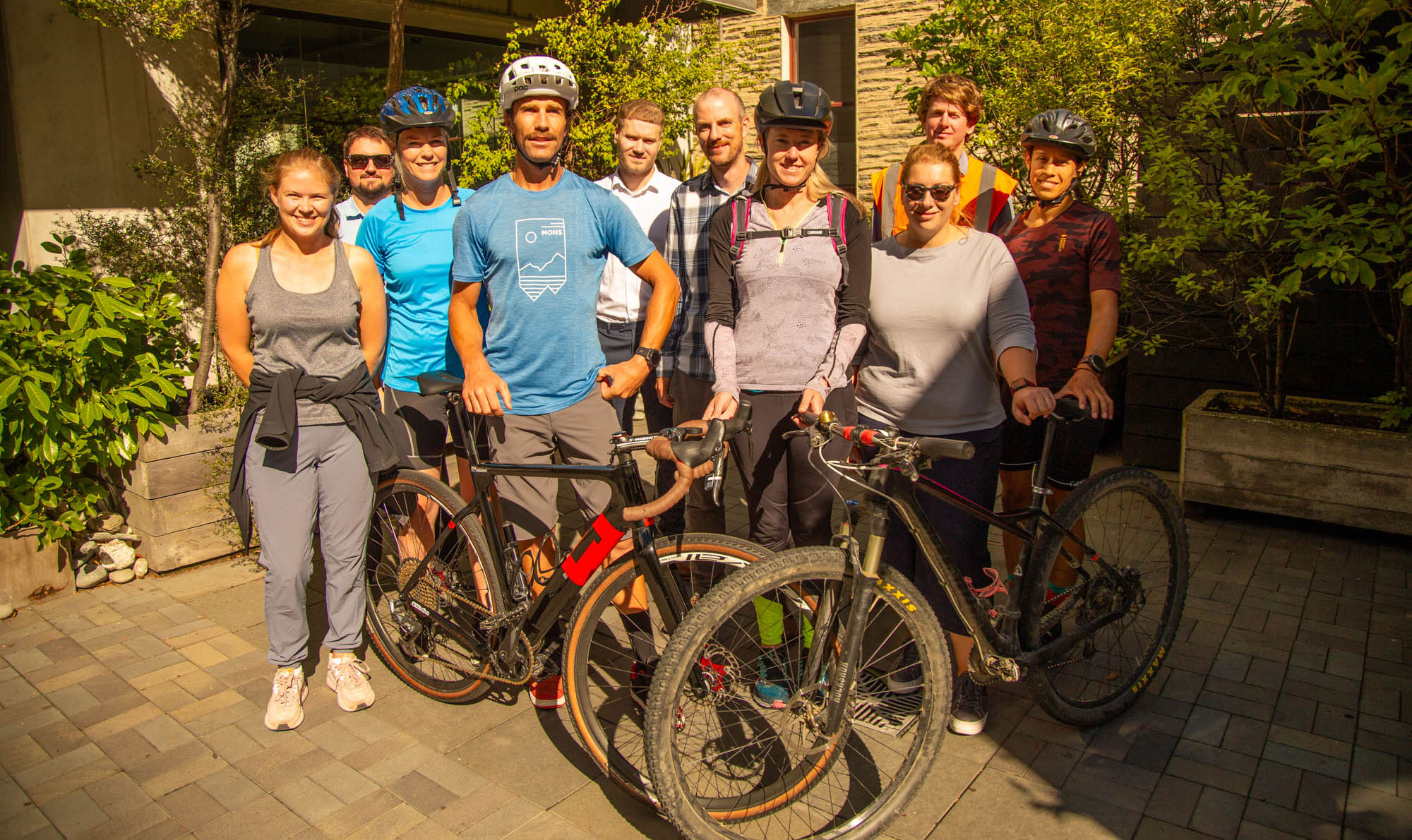
The Lightfoot Initiative is a registered charitable trust with a membership base of 1000 people across the Queenstown Lakes District. We work with key stakeholders to engage the community in initiatives to support change in how they use transport. Our vision and kaupapa for the next ten years is to see the Queenstown Lakes become world-leading in shared and active travel.
Topic 1: Are we focusing on the right things in the plan?
No - we do not believe the plan is focusing on the right things. Public Transport is going backwards in relation to population growth. While we appreciate the extensions to services currently available, with continued 5+ percent growth in people living and visiting the area, what you propose will effectively be less than what we have now.
Future growth is predicated on mode shift, yet we still do not have the active network in place to support an improved PT network. Queenstown's spatial plan is utterly dependent on a 40% mode shift, which is entirely out of alignment with the Government Policy Statement on Transport. The proposals you are making for PT in Otago will not help achieve the 40% mode shift we need to keep the Queenstown Lakes moving.
We want to see a wider range of PT options available over the next three years. The plan should leverage tech solutions to create better on-demand services and consider solutions that move beyond an electric bus fleet. We need a bold vision for what Public Transport could look like.
The Otago Regional Council needs to lead this vision by showing ratepayers what increased rates would fund. Instead of shying away from rates increases, the ORC should paint an appealing picture of what increased rates would provide. Let's show what the public will get with increased investment from rates. What can be delivered if the PT rates are increased by 50% per household?
To put this in context, a house worth $1million in Queenstown currently pays approximately $100 annually for Public Transport. We challenge you to show the public what double investment from all households would help fund in public transport. We predict that the public’s response would be supportive.
We recommend ORC work with urgency with government to get a realistic GPS in place. There is a great transport team working at the ORC - support them to lead the way because it is essential that the next Government Policy Statement on Transport actually supports the mode shift we need to see in Otago and beyond. A more assertive approach is needed from ORC to demand a GPS that supports the change we need to support growth in the region.
Topic 2: Should we support community transport services in smaller towns and rural areas?
Yes - it's essential that we start connecting our growing regional centres, particularly important is how regional transport works with the economic heart of Queenstown.
Inter-regional transport is essential to deal with growth, and this must be actively and aggressively led by Otago Regional Council. It is urgent and needs to happen within the next three years.
The Upper Clutha area has been waiting far too long for PT services, and not just at the lights of an utterly outdated one-way bridge. That fast-growing area is crying out for long-planned PT that still is not scheduled. This needs to be urgently prioritised.
The collapse of the active travel network in Queenstown and the lack of a plan for Wānaka is massively problematic. Without an integrated network, we cannot move forward. We need ORC to enable first and last mile solutions, working with TAs to ensure the integrated network is in place by 2030 if not before. To support this, we want to see bus-stops within a ten-minute walk of PT services, in place within the next three years.
Topic 3: Should we increase our passenger fares?
Yes - it is unfortunate that the Government's Policy Statement has reduced funding for public transport, so to have the level of service we need, cost increases are a reality. Let's keep it low and look to ways to reduce when the GPS changes.
Topic 4: Should we charge more for longer trips?
Yes, some form of zoning for bus fares may be inevitable. This approach would acknowledge the higher operational costs of longer routes while maintaining affordability for shorter trips.
Overtime, dynamic pricing could be used to ensure an equitable approach is used.
Topic 5: Should we keep our free fares for children (5-12 years)?
Yes - but it should be extended to all under 18s. This would help keep public transport affordable for families and encourage our younger population to build public transport habits that will carry into adulthood.
In conclusion, we urge the ORC to work with urgency with the TAs to get realistic spatial planning and find ways to fund the public transport required to support growth. The challenges facing our region require bold vision and decisive action, not incremental changes to the status quo.
Yours sincerely,
Amanda Robinson
Co-Founder
The Lightfoot Initiative Charitable Trust